
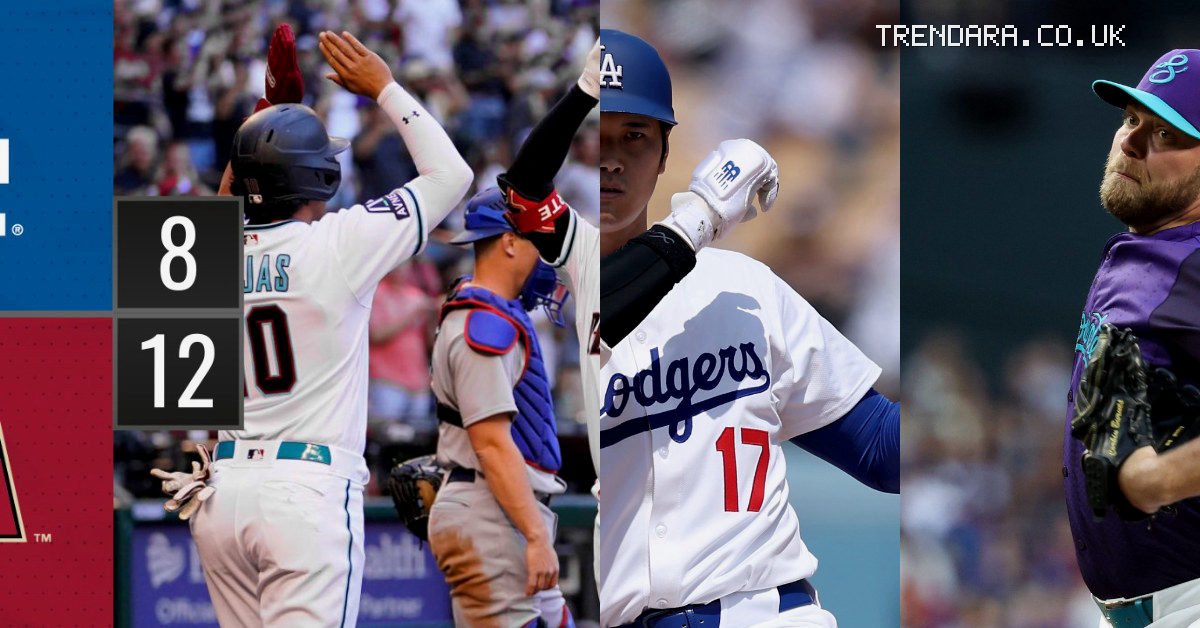
The first pitch of the rivalry came on March 31, 1998, when the Arizona Diamondbacks hosted the Los Angeles Dodgers at Bank One Ballpark in Phoenix. That game opened a series that has since produced more than 500 regular-season meetings, plus a handful of memorable postseason clashes. This timeline traces the key moments, from expansion-era dustups to the 2023 NLDS sweep. You may also want to check RapidIdentity CCISD Guide: Login, Features, and Support for a different perspective on similar ground
How the Dodgers and Diamondbacks Built a Modern NL West Feud
1998 marked the Diamondbacks’ inaugural season, and the Dodgers were already an established powerhouse. Arizona won that first game 3-2, with Andy Benes outdueling the Dodgers’ starter. The early years were scrappy, with both teams fighting for position in the NL West. For a broader factual overview, The Arizona Diamondbacks Vs Dodgers Timeline: A Detailed History Of … lays out the key context
By 1999, the Diamondbacks had won the division, edging out the Dodgers by a single game. That tight race set a tone of mutual dislike. The rivalry intensified in 2001 when Arizona swept the Dodgers in the NLDS, en route to their World Series title. That sweep remains a sore spot for Los Angeles fans.
The 2000s brought more drama. In 2006, the Dodgers swept the Diamondbacks in the NLDS, a measure of revenge. The two teams traded division titles through the decade, with the Dodgers winning the West in 2008 and 2009 while Arizona slipped into rebuilding.
One of the most heated moments came in 2013, when a benches-clearing brawl erupted after Dodgers pitcher Zack Greinke hit Diamondbacks outfielder Gerardo Parra. The fight led to multiple suspensions and a lasting animosity between the clubs. On a related note, Mollygram com Instagram: How the Platform Works and What It Offers adds helpful background
Why the Rivalry Resonates Across the Southwest
The geographic proximity fuels the intensity. Phoenix and Los Angeles are about 370 miles apart, making it easy for fans to travel. The Diamondbacks’ fan base includes many transplants from Southern California, creating a split crowd at Chase Field.
Television broadcasts in both markets treat the series as a marquee event. Local sports talk shows in Arizona and California dedicate hours to previewing each matchup. The rivalry also matters for playoff positioning, as both teams frequently contend for the NL West crown.
In 2017, the two teams met in the NLDS again, with the Dodgers winning in three games. That series featured a controversial pitch from Diamondbacks reliever Archie Bradley, who threw at Dodgers outfielder Joc Pederson, reigniting tensions.
The 2023 season brought the most recent postseason chapter. The Diamondbacks swept the Dodgers in the NLDS, a stunning upset that ended Los Angeles’s 100-win season. That series highlighted the unpredictability of the rivalry.
Lessons from the 2023 NLDS Sweep
The 2023 NLDS was a case study in how a lower-seeded team can topple a favorite. The Diamondbacks won all three games, outscoring the Dodgers 15-6. Their pitching staff, led by Zac Gallen and Merrill Kelly, silenced a powerful Dodgers lineup.
One key lesson was the importance of timely hitting. The Diamondbacks scored early in each game, putting pressure on the Dodgers’ starters. They also played flawless defense, turning double plays at critical moments.
Another lesson was the value of momentum. The Diamondbacks entered the series after a wild-card sweep of the Milwaukee Brewers, while the Dodgers had a five-day layoff. That rest may have hurt Los Angeles’s rhythm…
The sweep also showed that regular-season records mean little in October. The Dodgers had won the season series 8-5, but the Diamondbacks flipped the script when it mattered most.
Key Moments in the Dodgers-Diamondbacks Timeline
1998: The first meeting, a 3-2 Diamondbacks win at Bank One Ballpark.
1999: Arizona wins the NL West by one game over the Dodgers.
2001: Diamondbacks sweep the Dodgers in the NLDS, then win the World Series.
2006: Dodgers sweep the Diamondbacks in the NLDS.
2013: Brawl at Dodger Stadium leads to suspensions.
2017: Dodgers win the NLDS in three games.
2023: Diamondbacks sweep the Dodgers in the NLDS.
These moments define a rivalry that has produced more than its share of drama. The teams have met in the postseason five times, with the Diamondbacks winning three of those series.
| Year | Event | Result |
|---|---|---|
| 1998 | First meeting | Diamondbacks win 3-2 |
| 2001 | NLDS | Diamondbacks sweep |
| 2006 | NLDS | Dodgers sweep |
| 2017 | NLDS | Dodgers win 3-0 |
| 2023 | NLDS | Diamondbacks sweep |
Frequently Asked Questions
Where was the first Dodgers-Diamondbacks game played?
The first game took place at Bank One Ballpark in Phoenix, Arizona, on March 31, 1998. The Diamondbacks won 3-2, with Andy Benes earning the win. The stadium was later renamed Chase Field in 2005.
Is the Dodgers-Diamondbacks rivalry still active today?
Yes, the rivalry remains active. Both teams compete in the NL West, and they play each other 13 times during the regular season. The 2023 NLDS sweep added a fresh layer of intensity, and fans on both sides still view the matchup as a must-win.
Why did the Dodgers and Diamondbacks have a brawl in 2013?
The brawl started when Dodgers pitcher Zack Greinke hit Diamondbacks outfielder Gerardo Parra with a pitch. Parra charged the mound, and both benches cleared. The incident led to multiple suspensions, including a five-game ban for Greinke and a three-game ban for Parra.
How can I watch classic Dodgers-Diamondbacks games?
You can find classic games on MLB Network, which occasionally airs old postseason matchups. The MLB app also offers archived games for subscribers. For a detailed history of the rivalry, check out this comprehensive timeline from Artisan Accel.
Is it safe to attend a Dodgers-Diamondbacks game at Chase Field?
Yes, Chase Field is a safe venue with standard MLB security measures. The stadium has a family-friendly atmosphere, and the rivalry rarely leads to fan altercations. As with any sporting event, it’s wise to stay aware of your surroundings and follow stadium rules.
