
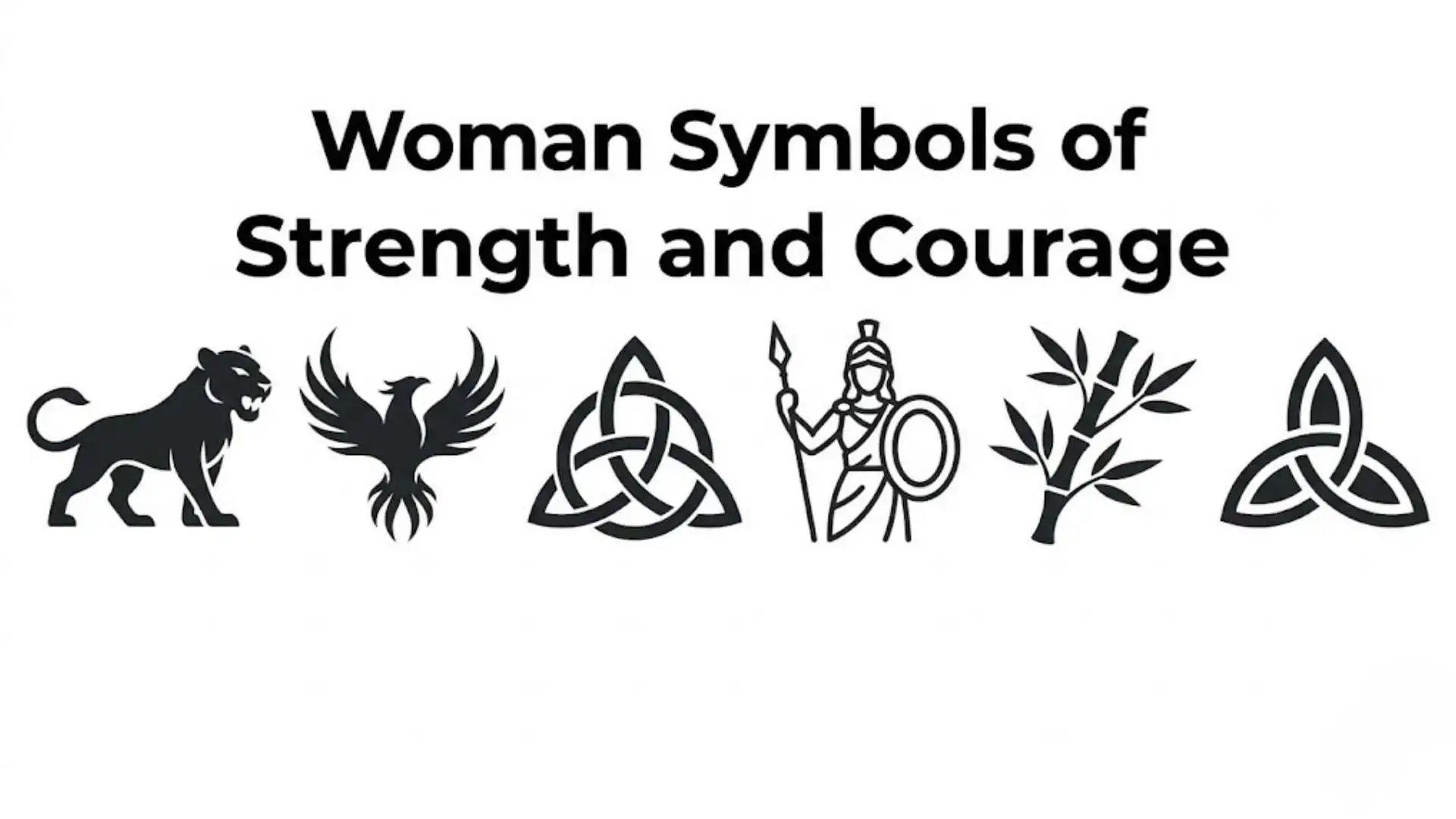
What makes a symbol of emotional strength for women resonate so deeply across cultures? The answer lies in a blend of historical archetypes, modern movements, and psychological research that together shape how courage is visualized and understood. On a related note, LMS Satin Credit Care Login: How to Access Your Account adds helpful background
From the lioness of ancient Egypt to the raised fist of 1970s feminism, these symbols carry layers of meaning that evolve with each generation.
How Ancient Archetypes Shaped Modern Symbols of Female Courage
The lioness, revered in ancient Egyptian culture as a protector and leader, has long been a female strength symbol. Her ferocity is not aggression but a form of protective courage, a trait echoed in the She-Wolf of Rome, a founding myth that links nurture with fierce defense.
These archetypes persist in modern branding and storytelling, often used to evoke loyalty and resilience. The warrior woman archetype, exemplified by Joan of Arc (1412-1431), adds a layer of emotional conviction under extreme duress. Her courage was not merely physical; it was rooted in unwavering belief.
Ancient Greek stoic philosopher Hipparchia of Maroneia (c. 350-280 BCE) modeled a different kind of strength: defying social norms for philosophical conviction. Her choice to live as a philosopher, against family and societal expectations, demonstrates that emotional strength often requires intellectual courage.
These historical figures share a common thread: they faced adversity not by suppressing emotion but by channeling it into purposeful action.
How Modern Movements Recast Emotional Testimony as Courage
The Black Lives Matter and #MeToo movements, spanning from 2013 into the 2020s, transformed women’s emotional testimony into a public symbol of courage. Sharing personal stories of trauma became an act of collective strength, shifting the narrative from private suffering to public accountability.
This shift is supported by a 2021 APA study linking emotional strength in women to ‘tend-and-befriend’ coping, contrasting with the male ‘fight-or-flight’ response. The research suggests that women’s resilience often manifests through social connection and caregiving, a pattern visible in grassroots activism.
The Riot Grrrl movement of the early 1990s used zines and punk music to brand vulnerability and anger as feminist strength symbols. This DIY approach allowed young women to reclaim their narratives, turning raw emotion into a tool for cultural critique.
In 2023, UNESCO recognized women’s emotional resilience as a key factor in post-conflict peacebuilding, citing global case studies. This institutional acknowledgment marks a shift from viewing emotional strength as personal virtue to recognizing it as a societal asset.
Behind the Symbols: The Psychology and Methodology of Resilience
Emotional strength in women involves resilience, self-awareness, and the ability to process adversity without suppressing feelings. Psychologists distinguish this from mere endurance; it is an active, reflective process. A reference profile of the subject is maintained on Emotional Strength Woman Symbols of Strength and Courage | Meanings …
The sunflower, used in domestic violence awareness campaigns since 2019, symbolizes emotional strength and rebirth after trauma. Its heliotropic nature—turning toward the sun—serves as a metaphor for seeking light after darkness, a concept central to trauma recovery.
Ruth Bader Ginsburg (1933-2020) personified quiet, persistent strength, earning the nickname ‘Notorious RBG’ for her dissents and resilience. Her legal career demonstrates that emotional strength can be expressed through meticulous, principled work rather than overt confrontation.
The more useful approach to understanding these symbols is to see them as tools for externalizing internal states. They provide a shared language for experiences that are often isolating.
Regional and Demographic Reception: How Symbols Resonate Differently
The Statue of Liberty, dedicated in 1886, was originally a female symbol of liberty and enlightenment. In recent protests, she has been reclaimed as a symbol of courage against oppression, demonstrating how meaning shifts with context.
In East Asian cultures, the Mulan legend, dating to the 6th century CE and popularized in 1998 and 2020 films, symbolizes courage through emotional loyalty to family over self. This contrasts with Western emphasis on individual defiance, highlighting cultural variations in what constitutes strength.
Demographic reception also varies by age and political affiliation. Younger generations often embrace intersectional symbols, while older cohorts may prefer traditional icons like the lioness. These differences are not merely aesthetic; they reflect divergent values about the role of emotion in public life.
For practical guidance, consider how these symbols function in your own life. They can serve as personal anchors, reminding you that courage is not the absence of fear but the decision to act despite it.
Frequently Asked Questions
What is the most recognized symbol of female emotional strength?
The lioness is arguably the most universally recognized, appearing in ancient Egyptian iconography and modern branding alike. Its dual nature—nurturing yet fierce—captures the complexity of emotional strength, making it a versatile symbol across cultures.
Is the raised fist a controversial symbol in the context of women’s strength?
The raised fist, popularized in the 1960s-70s women’s movement, is sometimes seen as confrontational, but its meaning is context-dependent. It represents collective solidarity and resistance, and while some view it as aggressive, others see it as a necessary assertion of power.
How many historical figures are commonly cited as symbols of female courage?
There is no fixed number, but a handful recur frequently: Joan of Arc, Hipparchia, Ruth Bader Ginsburg, and the legendary Mulan. Each represents a different facet of courage, from martial valor to intellectual defiance to quiet persistence.
How does the ‘tend-and-befriend’ response differ from ‘fight-or-flight’?
The ‘tend-and-befriend’ response, identified in a 2021 APA study, involves seeking social support and caregiving under stress, whereas ‘fight-or-flight’ is a more individualistic reaction. This difference helps explain why women’s emotional strength often manifests through community-building rather than solitary confrontation.
Is there a cost to using these symbols in personal branding?
Using symbols like the lioness or sunflower in personal branding is generally free, but there can be cultural sensitivity costs if used inappropriately. It’s important to understand the historical and emotional weight behind each symbol to avoid trivializing their meaning.
