
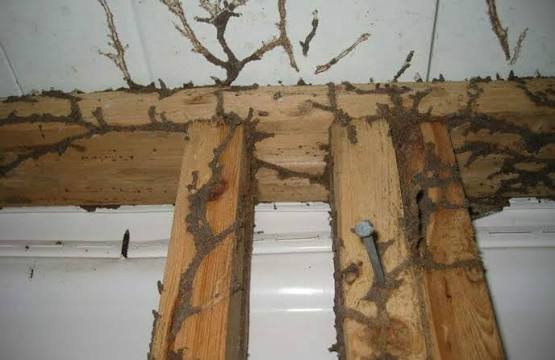
Termite Holes in Ceiling, pin-sized openings, or damaged spots in a ceiling can be unsettling, especially when there is a possibility of termite activity. While termites are usually associated with wooden structures, certain signs of an infestation can appear on ceilings when termites are feeding on structural wood, moving through wall cavities, or damaging materials around the home.
However, not every hole in a ceiling is caused by termites. Nail pops, water damage, drywall deterioration, carpenter ants, and other problems can create similar-looking marks. Understanding the differences can help homeowners decide what deserves immediate attention.
What Do Termite Holes in a Ceiling Look Like?
Termite holes in a ceiling may appear as small openings, cracks, blistered areas, or damaged patches. The exact appearance depends on the type of termite, the construction of the ceiling, and how far an infestation has progressed.
Some homeowners notice tiny holes accompanied by other signs such as:
- Small piles of powdery or granular material
- Discolored or sagging ceiling areas
- Crumbling drywall
- Hollow-sounding sections
- Cracks around ceiling joints
- Swarming termites or discarded wings
- Visible mud tubes near walls or ceiling edges
- Damaged wood in the attic or roof structure
A single small hole does not automatically mean termites are present. The surrounding evidence is much more useful when determining the cause.
Can Termites Actually Cause Holes in a Ceiling?
Yes, termites can contribute to ceiling damage, but the holes are often an indirect result of their activity.
Termites primarily feed on cellulose-containing materials such as wood. If termites are attacking wooden joists, roof framing, or other structural components above a ceiling, the damage can eventually affect the drywall or plaster attached to those materials.
Drywall itself contains paper, which can sometimes Termite Holes in Ceiling be affected by termite activity. More importantly, termites can travel through concealed spaces and damage the wood supporting the ceiling.
This means a hole in the ceiling may be a visible symptom of a problem occurring above it.
Why Termites May Be Found Above a Ceiling
The space between a ceiling and the roof or upper floor can provide concealed pathways for insects. Termites may enter through foundations, wall cavities, plumbing penetrations, or other areas and eventually reach structural wood.
In homes with attics, termites may also encounter roof framing, wooden trusses, rafters, or other cellulose-based materials.
Moisture can make some areas particularly attractive to termites. Roof leaks, plumbing problems, condensation, and poor ventilation can create damp conditions that contribute to wood deterioration and make an area more favorable for termite activity.
Termite Holes vs. Other Ceiling Damage
One of the biggest mistakes homeowners can make is assuming every small ceiling hole is evidence of termites.
Several common problems can produce similar symptoms.
Nail Pops
Nail pops occur when fasteners become visible through drywall. They typically look like small raised bumps or circular damaged areas rather than insect-created tunnels.
They are common in drywall and may result from normal building movement, moisture changes, or improper installation.
Water Damage
A roof or plumbing leak can cause staining, bubbling, peeling paint, soft drywall, or sagging.
If a ceiling has both holes and brown or yellow discoloration, investigate possible moisture problems before assuming insects are responsible.
Drywall Cracks
Seasonal expansion and contraction can cause cracks around joints, corners, and seams. These cracks may become more noticeable over time but are not necessarily related to termites.
Carpenter Ant Damage
Carpenter ants do not eat wood in the same way termites do. Instead, they excavate galleries in wood to create nesting areas. Their activity can also cause structural damage, particularly when wood is damp or already compromised.
Old Repairs
Previous electrical, plumbing, or construction work may leave small holes that were poorly patched or have reopened over time.
The appearance of the hole alone is therefore not enough to identify a termite infestation.
Signs That Make Termite Activity More Likely
A ceiling hole becomes more concerning when it appears alongside several other indicators.
Discarded Wings
Winged termites, commonly called swarmers, leave their colonies to reproduce. After a swarm, homeowners may find piles of discarded wings near windows, light fixtures, doors, or other areas.
Finding these wings indoors can justify a closer inspection.
Mud Tubes
Subterranean termites often build protective mud tubes to travel between the soil and wooden portions of a structure.
These tubes may appear along Termite Holes in Ceiling foundations, walls, crawl spaces, utility penetrations, or other concealed routes. Their presence is a strong reason to investigate further.
Hollow or Damaged Wood
If wooden framing near the ceiling sounds hollow when carefully tapped or shows visible deterioration, termites may be one possible explanation.
Wood that appears blistered, unusually thin, or weakened should not be ignored.
Frass or Debris
Drywood termites can produce small pellets of waste known as frass. Homeowners may find tiny piles beneath infested wood.
Frass can resemble sawdust, but the two are not necessarily the same. A professional inspection can help determine its source.
Bubbling or Peeling Surfaces
Termite activity can sometimes contribute to damage that affects drywall, paint, or other ceiling finishes. However, bubbling and peeling are also common symptoms of moisture problems, so both possibilities should be considered.
What Types of Termites Can Damage Homes?
Different termite species behave differently, which can influence how an infestation appears.
Subterranean Termites
Subterranean termites live in colonies connected to soil and often enter structures from below. They can travel through soil, foundation cracks, wall cavities, and mud tubes.
Because they can remain hidden for long periods, visible damage may not appear until an infestation has progressed.
Drywood Termites
Drywood termites live inside relatively dry wood rather than maintaining a direct connection to soil. They can infest attic framing, roof components, wooden ceilings, and other parts of a building.
Their presence may be associated with small piles of dry fecal pellets.
Dampwood Termites
Dampwood termites prefer wood with high moisture content. They are less common as a structural pest in many parts of the United States than subterranean termites, but moisture-damaged wood can still be vulnerable.
Identifying the termite species matters because treatment methods can differ significantly.
What Should You Do If You Find Termite Holes in the Ceiling?
Do not immediately fill or paint over suspicious holes. Doing so may hide evidence that could help identify the underlying problem.
Start by examining the surrounding area from a safe position. Look for discoloration, soft drywall, visible insects, discarded wings, frass, cracks, or signs of moisture.
If there is an attic above the ceiling, inspect it carefully for visible damage to accessible wooden components. Avoid disturbing areas that appear structurally weak.
If you suspect an active infestation, a qualified pest professional can inspect the property and determine whether termites are present.
Should You Repair the Ceiling Before Treating Termites?
Usually, the underlying cause should be addressed before cosmetic Termite Holes in Ceiling repairs are completed.
If termites are actively damaging structural wood, patching the ceiling will not solve the problem. Similarly, repairing drywall without correcting a roof or plumbing leak can result in recurring damage.
A sensible sequence is to:
- Identify the source of the damage.
- Determine whether termites or another problem are responsible.
- Address active termite activity if present.
- Repair moisture or structural issues.
- Replace or repair damaged ceiling materials.
- Monitor the area afterward.
The exact process depends on the type and extent of damage.
How Are Termites in Ceiling Areas Treated?
Treatment depends on the termite species, colony location, accessibility, and extent of the infestation.
For subterranean termites, treatment may involve soil treatments, baiting systems, or other professionally selected approaches.
Drywood termite infestations may require localized treatment when colonies are limited or more extensive treatment when multiple areas of a structure are affected.
Professional inspection is particularly important when termites may be inside concealed structural components. Treating only the visible hole does not necessarily eliminate the colony.
When Is Ceiling Damage an Emergency?
Not every termite-related ceiling problem is an emergency, but some signs deserve prompt attention.
Contact a qualified professional quickly if the ceiling is:
- Sagging noticeably
- Soft or collapsing
- Showing extensive water damage
- Located beneath visibly damaged structural wood
- Cracking rapidly
- Accompanied by significant insect activity
A damaged ceiling can present a safety hazard regardless of whether termites are responsible.
Do not stand directly beneath a ceiling that appears unstable.
How to Prevent Future Termite Problems
Preventing termites starts with reducing conditions that make a home easier for them to access or inhabit.
Keep gutters and downspouts directing water away from the structure. Repair plumbing and roof leaks promptly, and avoid allowing moisture to remain around foundations or wooden structural components.
Homeowners should also maintain appropriate ventilation in attics and crawl spaces where moisture accumulation can become a problem.
Keep wood, cardboard, and other cellulose-containing materials away from direct contact with the home’s foundation when practical. Regularly inspect exposed wood for changes in appearance or condition.
Professional termite inspections may also be worthwhile, particularly for properties with a history of termite activity or conditions that increase exposure.
Frequently Asked Questions About Termite Holes in Ceiling
Are small holes in a ceiling always caused by termites?
No. Small ceiling holes can result from nail pops, drywall damage, moisture, electrical work, insects, or previous repairs. Additional evidence is needed before identifying termites as the cause.
Can termites come through the ceiling?
Termites can reach ceiling areas by traveling through wall cavities and other concealed parts of a structure. They may damage wood framing above a ceiling and eventually cause visible damage to the ceiling surface.
What do termite holes look like in drywall?
There is no single appearance. Small openings, damaged patches, bubbling, or crumbling areas can occur, but these signs are not unique to termites. Other evidence should be considered.
Do termites leave holes in wood?
Termites can create galleries and tunnels inside wood. Much of this damage may remain hidden beneath the surface, which is why visible holes are not always the first sign of an infestation.
Can a ceiling collapse from termite damage?
Severe termite damage can weaken structural wood, potentially contributing to structural problems. A visibly sagging or unstable ceiling should be treated as a safety concern and professionally evaluated.
Should I fill a suspected termite hole?
It is generally better to identify the cause before making cosmetic repairs. Covering the hole may conceal evidence that could help a pest professional determine what happened.
How can I tell whether ceiling damage is from termites or water?
Water damage often includes staining, bubbling, peeling paint, soft drywall, or sagging. Termite activity may be accompanied by insect evidence, damaged wood, mud tubes, or frass. Because the symptoms can overlap, professional inspection may be necessary.
Are termite holes dangerous?
The hole itself may be minor, but it can Termite Holes in Ceiling indicate a larger issue if termites are damaging structural materials. The potential structural damage is more important than the size of the visible opening.
Can I treat ceiling termites myself?
Some termite products are available to homeowners, but concealed infestations can be difficult to locate and eliminate. Professional identification and treatment may be appropriate when structural components are involved.
How quickly should termite damage be addressed?
Suspected active termite activity should not be ignored. Termites can remain hidden, so early investigation can help determine the extent of the problem before more substantial damage develops.
Conclusion
Finding termite holes in a ceiling does not automatically mean your home has a serious infestation. Small openings can have many causes, including drywall problems, moisture damage, old repairs, and other insects.
What matters is the larger picture. Look for accompanying evidence such as damaged wood, mud tubes, discarded wings, frass, moisture problems, or weakened structural materials. If several warning signs appear together, a professional inspection can help identify the cause and determine the appropriate response.
The most effective approach is to address the underlying problem rather than simply patching the visible hole. Whether the cause turns out to be termites, water, or ordinary ceiling deterioration, identifying it early can help protect both the structure and the people living inside it.

1 Comment
Pingback: Popcorn vs Textured Ceiling: Key Differences, Pros, and Cons